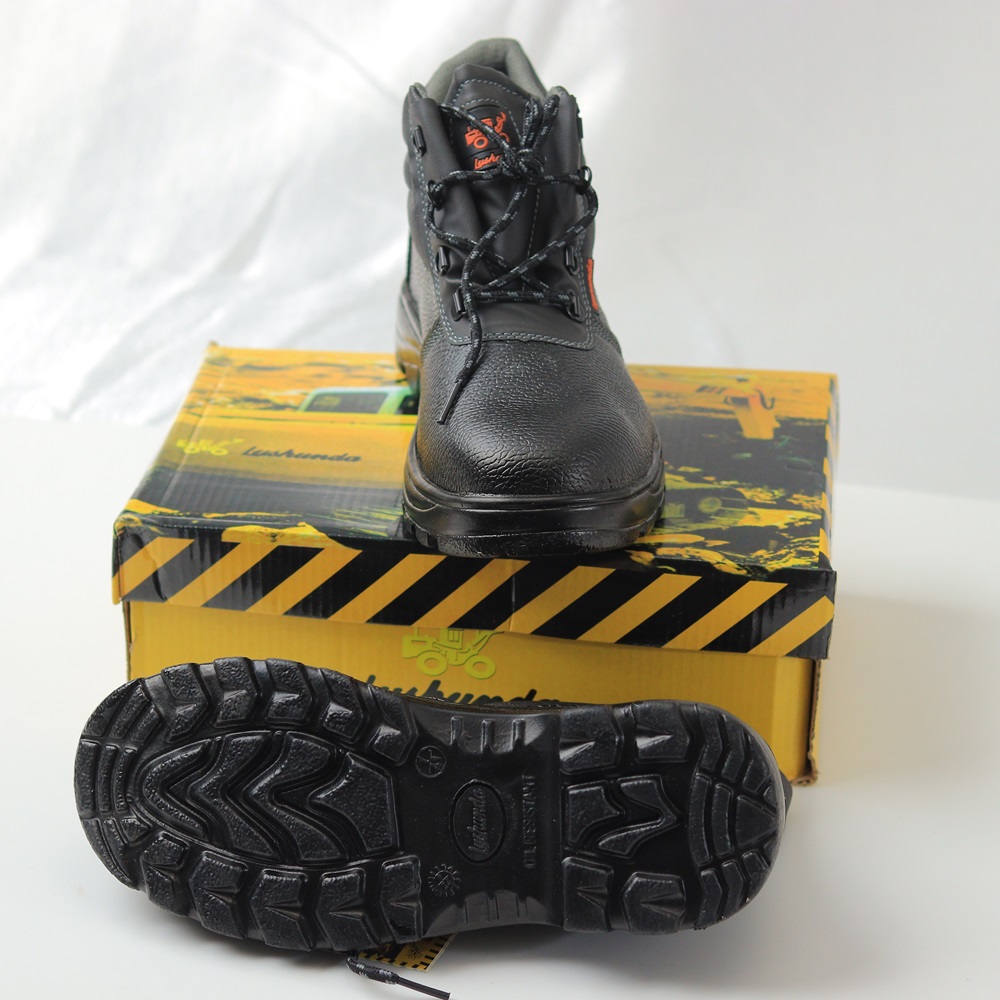
One of the most critical aspects of personal protective equipment (PPE) is footwear, specifically boots with protective toe caps. Among the most common types of safety boots are steel toe boots and composite toe boots.
This article aims to provide a clear comparison between steel toe and composite toe boots, helping buyers make informed decisions based on their specific workplace needs, safety requirements, and personal preferences.
Steel Toe Boots vs. Composite Toe Boots
Steel toe boots are safety boots reinforced with a solid steel cap over the toe area. This protective design is intended to shield the foot from falling objects, heavy compression, and other workplace hazards that could cause serious injury.
Composite toe boots use non-metal materials—such as Kevlar, fiberglass, carbon fiber, or high-density plastic—to create a protective cap over the toes. These boots are designed to meet the same safety standards as steel toe boots while offering alternative benefits.
Pros and Cons Summary Table
| Feature / Factor | Steel Toe Boots | Composite Toe Boots |
|---|---|---|
| Protection Level | Superior impact and compression resistance | Meets safety standards; slightly less heavy-duty |
| Weight | Heavier, may cause fatigue over long shifts | Lightweight, easier for all-day wear |
| Comfort | Less flexible, can feel bulky | More comfortable for constant movement |
| Temperature Performance | Conducts heat and cold quickly | Better insulation; comfortable in hot/cold environments |
| Conductivity | Conducts electricity and heat | Non-metallic, safer for electrical work |
| Security Screening | Triggers metal detectors | Passes through metal detectors easily |
| Durability & Longevity | Extremely durable under harsh conditions | Durable but less resistant to heavy crushing forces |
| Cost | Generally more affordable | Slightly higher due to advanced materials |
Common Uses of Steel Toe Boots :
-
Construction sites
-
Warehouses and factories
-
Jobs involving heavy machinery or falling objects
Advantages of Steel Toe Boots:
-
Superior Impact Resistance: Steel can withstand very heavy impacts and compression, offering maximum protection for your toes.
-
Durability: Steel toe boots are often more long-lasting, particularly in rough or abrasive conditions.
-
Cost-Effective: Generally, steel toe boots are less expensive than composite alternatives.
Drawbacks:
-
Heavier Weight: The steel cap adds extra weight, which can cause foot fatigue over long hours.
-
Temperature Sensitivity: Steel can get extremely hot or cold, making the boots uncomfortable in extreme weather.
-
Metal Detectors: Steel toes can set off metal detectors, which may be an issue in security-sensitive workplaces.
Common Uses Composite Toe Boots :
-
Electrical work or jobs around electronics
-
Airports or security-sensitive workplaces
-
Outdoor jobs in extreme temperatures
Advantages of Composite Toe Boots:
-
Lightweight: Less strain on your feet and legs, making them comfortable for long shifts.
-
Non-Metallic: They don’t trigger metal detectors and provide electrical hazard protection.
-
Temperature Insulation: Composite materials do not conduct heat or cold, keeping your feet comfortable in extreme weather conditions.
Drawbacks:
-
Higher Cost: Composite toe boots tend to be more expensive than steel toe options.
-
Slightly Less Impact-Resistant: While they meet safety standards, they may not be as strong as steel under very heavy impacts.
-
Bulkier Design: Some models can feel wider or less streamlined than steel toe boots.
Which Industries Prefer Steel Toe Boots?
Steel toe boots are favored in industries where maximum protection against heavy or falling objects is critical. They are especially suited for environments with high-risk hazards that demand rugged footwear. Common industries and situations include:
-
Construction Sites: Protects against falling tools, building materials, and heavy equipment.
-
Warehousing and Logistics: Guards against heavy packages, pallets, and forklifts.
-
Manufacturing and Heavy Industry: Essential for workers handling machinery, raw materials, or assembly line hazards.
-
Mining and Mechanical Work: Offers robust protection in environments with crushing or impact risks.
-
High-Risk Situations: Any workplace where there’s a significant chance of toes being injured by falling or rolling objects.
Steel toe boots remain the go-to choice for durability, impact resistance, and maximum protection in tough, high-risk environments.
Which Industries Prefer Composite Toe Boots?
Composite toe boots are chosen where comfort, weight reduction, and non-conductive properties are more important than extreme impact resistance. Industries and situations that benefit include:
-
Electricians and Electrical Technicians: Non-metallic construction prevents electrical conduction hazards.
-
Security Staff (Metal Detector Environments): Lightweight and passes through metal detectors without triggering alarms.
-
Aviation, Airport, and Logistics Personnel: Ideal for long shifts with constant walking or movement, while maintaining safety standards.
-
Outdoor Workers in Hot or Cold Climates: Composite materials provide better insulation against temperature extremes.
-
Workers Who Walk Long Distances Daily: Reduced weight and enhanced comfort help minimize fatigue.
Composite toe boots strike a balance between safety and comfort, making them perfect for environments where long-term wearability and specialized safety features matter.
How to Decide Which Toe Type Is Best for You
Choosing the right safety boot depends on multiple factors, not just personal preference. Consider the following when making your decision:
-
Assess Your Work Hazards:
-
Identify the level of impact or compression risk in your job. High-risk environments may favor steel toe boots.
-
-
Consider Comfort vs. Protection Priorities:
-
If you move a lot or work long shifts, lightweight composite toes may improve comfort without compromising safety standards.
-
-
Check Industry Requirements and Safety Standards:
-
Some industries have regulations specifying the type of toe protection required. Make sure your boots comply.
-
-
Evaluate Workplace Environment:
-
Exposure to electricity, extreme temperatures, or security screening may influence whether composite or steel toes are better suited.
-
-
Think About Budget, Durability, and Brand Options:
-
Balance cost, longevity, and trusted brand quality. Steel toe boots may last longer under harsh conditions, while composites can offer comfort and specialized features worth the extra cost.
-
Conclusion
Choosing between steel toe boots and composite toe boots ultimately depends on your work environment, safety needs, and comfort preferences. Steel toe boots excel in heavy-duty jobs where maximum impact protection and durability are essential, while composite toe boots are ideal for workers seeking lighter, non-metallic, and temperature-resistant footwear for long hours or specialized settings.
By understanding the differences in protection, weight, comfort, and suitability for specific tasks, you can make an informed decision that keeps your feet safe without compromising performance. Investing in the right pair of safety boots is not just a matter of compliance—it’s an investment in your long-term comfort, productivity, and overall workplace safety.