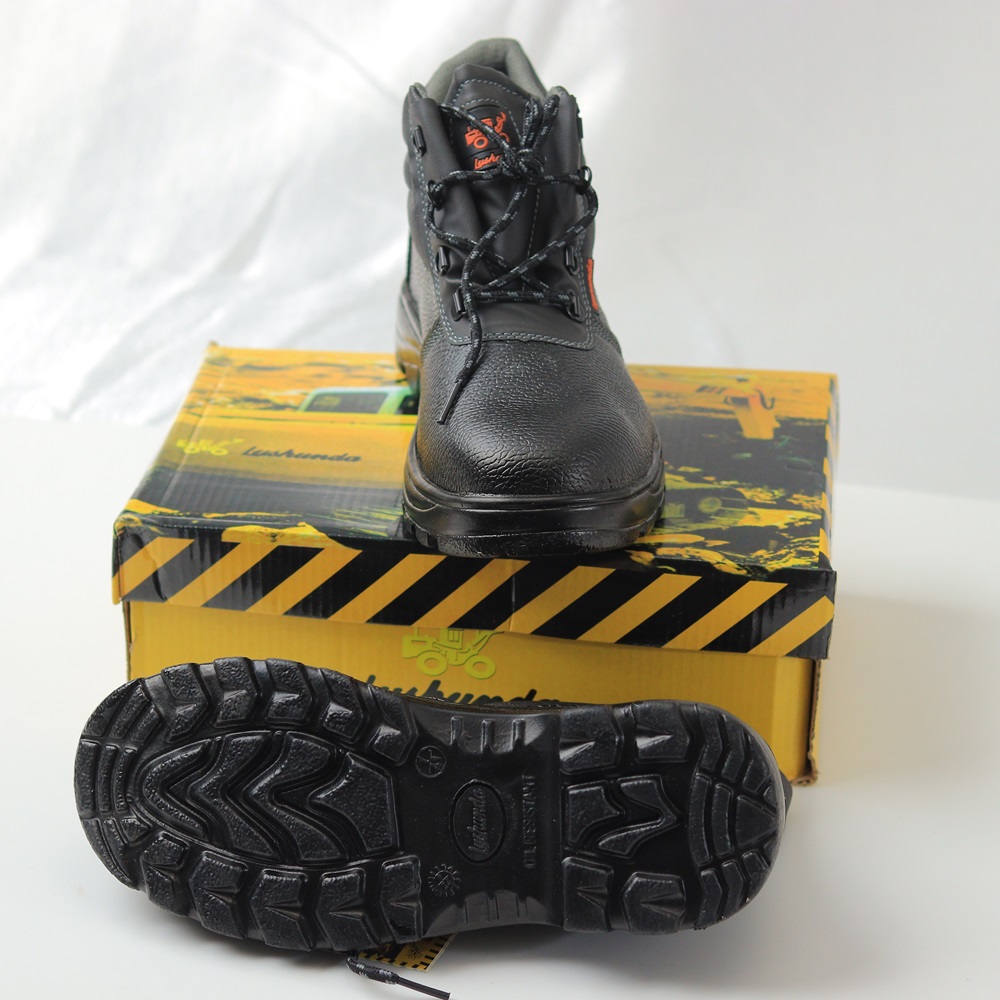
Despite the importance of safety footwear, many workers and employers often get confused between safety boots and safety shoes. While both provide essential protection, they differ in design, coverage, and suitability for specific job environments.
Choosing the wrong type could compromise safety, comfort, and productivity. This article aims to clarify the Safety Boots vs. Safety Shoes, helping buyers make informed decisions.
Safety Boots vs. Safety Shoes
Safety Boots
Safety boots are specially designed footwear that protect the feet and ankles from workplace hazards. They are commonly used in industries such as construction, manufacturing, mining, and electrical work, where the risk of falling objects, sharp materials, or electrical hazards is high. Unlike regular shoes, safety boots are built to provide enhanced protection, durability, and support.
Key Characteristics
-
Durable Materials: Safety boots are typically made from high-quality leather, synthetic materials, or a combination of both. The soles are often made of rubber or polyurethane to resist slips, chemicals, and wear.
-
Reinforced Toe Caps: Most safety boots come with steel or composite toe caps to shield toes from heavy impacts or compression.
-
Height and Ankle Coverage: Safety boots often extend above the ankle for additional support. They come in mid-cut or high-cut designs, providing better protection against twists, sprains, and debris.
Common Features:
-
-
Puncture-Resistant Soles: Protect the foot from nails, sharp metal, or glass.
-
Waterproofing: Many safety boots are treated or lined to keep feet dry in wet conditions.
-
Insulation: Designed to maintain comfort in extreme temperatures, whether hot or cold.
-
Slip-Resistant Outsoles: Reduce the risk of accidents on slippery surfaces.
-
Overall, safety boots are ideal for jobs that require maximum foot and ankle protection, heavy-duty use, and long-term durability. They are a vital investment in workplace safety, particularly for environments with high-risk hazards.
Safety Shoes
Safety shoes are generally low-cut, ending below or just at the ankle, which allows for easier movement and a more breathable fit. They are lighter than boots, making them suitable for jobs that require long hours of standing or walking.
Materials Used
Safety shoes are made from a variety of materials to balance protection and comfort:
-
Leather: Offers durability and moderate water resistance.
-
Synthetic materials: Lightweight and often easier to clean.
-
Mesh panels: Enhance breathability, keeping feet cooler in warm environments.
Key Features
-
Protective Toe Caps: Steel or composite toe caps shield the toes from impact or compression.
-
Anti-Slip Soles: Specialized soles provide traction on slippery or oily surfaces.
-
Breathable Build: Lightweight and ventilated materials improve comfort during extended wear.
-
Flexible Design: Safety shoes are less rigid than boots, allowing more natural foot movement.
Key Differences Between Safety Boots and Safety Shoes
Choosing between safety boots and safety shoes depends largely on work environment, risk level, and personal comfort. Here’s a clear comparison to help guide your decision:
Design & Height
-
Safety Boots: Designed with ankle coverage and support, safety boots protect not only the feet but also the ankles from twists, impacts, and debris. Mid-cut or high-cut designs provide additional stability in rugged conditions.
-
Safety Shoes: Feature a low-cut design that ends at or below the ankle. This style allows for greater mobility and flexibility, making them easier to wear for long periods.
Weight & Comfort
-
Safety Shoes: Typically lighter and more flexible, safety shoes are ideal for jobs that require a lot of walking or standing. Their reduced weight helps prevent fatigue over long shifts.
-
Safety Boots: Generally heavier due to reinforced materials and higher coverage, boots can feel bulkier but offer superior protection against high-impact hazards.
Protection Level
-
Safety Boots: Offer maximum protection for high-risk environments such as construction sites, heavy manufacturing, or outdoor work with uneven terrain. Their reinforced soles and toe caps guard against crushing, punctures, and harsh conditions.
-
Safety Shoes: Provide adequate protection for lower to medium-risk tasks, such as warehouse work, light assembly, or office-adjacent industrial roles. They protect against slips, minor impacts, and moderate hazards.
Price & Durability
-
Safety Boots: Often more expensive, but their heavy-duty construction ensures longer durability in tough conditions. Investing in boots can save costs over time for high-risk jobs.
-
Safety Shoes: Generally more affordable and designed for comfort, especially indoors. While not as durable as boots in rough environments, they are suitable for less demanding tasks and offer a good balance of protection and convenience.
Pros and Cons Comparison Table
Here’s a quick overview to help readers make an informed choice:
| Feature / Factor | Safety Boots | Safety Shoes |
|---|---|---|
| Design & Height | Mid-cut to high-cut; ankle support | Low-cut; more flexible and lightweight |
| Weight | Heavier due to reinforced materials | Lighter, better for long walking or standing |
| Protection Level | Maximum protection for high-risk jobs | Moderate protection for low- to medium-risk jobs |
| Comfort | Can feel bulky over long periods | More comfortable for prolonged wear |
| Durability | Longer-lasting in rough conditions | Durable but less suited for extreme conditions |
| Price | Typically higher cost | Generally more affordable |
| Ideal Jobs | Construction, mechanics, welding, outdoor work | Light manufacturing, warehouses, retail, hospitality |
How to Choose Between Safety Boots and Safety Shoes
Selecting the right protective footwear is critical for both safety and comfort. Here are key factors to consider:
-
Consider the Job Environment: Evaluate the hazards you face daily. For wet conditions, rough terrain, heavy lifting, or exposure to heat and chemicals, safety boots may be more appropriate. For light industrial, indoor, or moderate-risk tasks, safety shoes can provide sufficient protection.
-
Evaluate Comfort vs. Protection: Safety boots offer maximum protection but are heavier, while safety shoes are lighter and more comfortable for extended periods. Choose footwear that balances mobility, comfort, and risk mitigation.
-
Check Certification Standards: Ensure your footwear meets safety standards relevant to your industry. Look for features such as steel or composite toe caps, slip-resistant soles, puncture-resistant midsoles, and electrical hazard ratings. Certified footwear guarantees reliable protection.
-
Understand Workplace Safety Policies: Some employers specify the type of footwear required for certain tasks. Always follow these guidelines to remain compliant and avoid unnecessary risks.
Why Buy from Sidget Safety Kenya
When it comes to purchasing safety footwear, quality, variety, and service matter. Sidget Safety Kenya offers:
-
Wide Range of Boots and Shoes: Catering to multiple industries, from construction and manufacturing to hospitality and office support, ensuring every worker finds suitable protection.
-
Branded and Custom Options: Personalize footwear with company logos, colors, or specific design features to strengthen team identity and compliance.
-
Reliable Quality and Fair Pricing: Durable, certified products that provide excellent value for money without compromising safety.
-
Country-Wide Delivery: Convenience for businesses and individuals across Kenya, ensuring timely access to essential protective gear.
Choosing Sidget Safety Kenya means investing in trusted protection, comfort, and durability for every workplace environment.