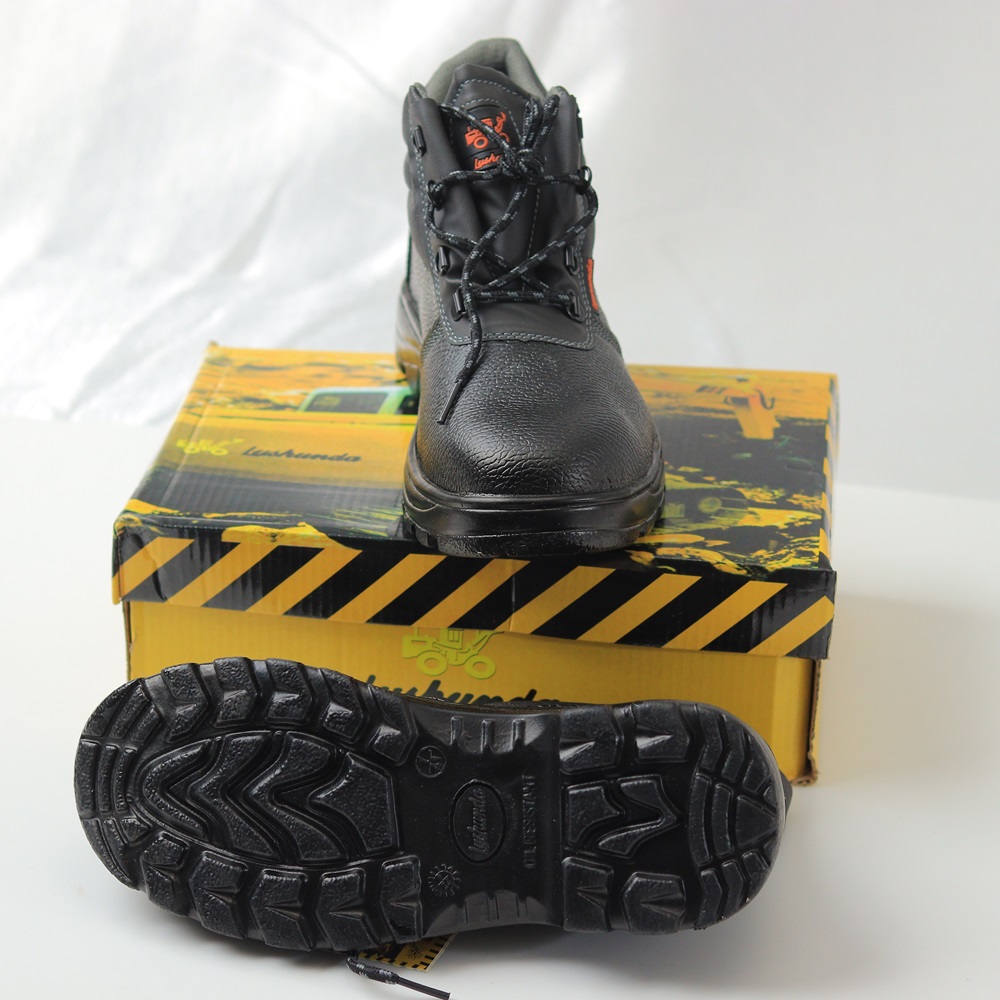
In demanding work environments, protecting your feet is not just a matter of comfort—it’s a critical safety requirement. Durable safety boots can prevent injuries from heavy objects, sharp tools, electrical hazards, and harsh weather conditions, making them an essential part of any worker’s gear.
This article aims to guide you through the comparison between leather and synthetic safety boots, helping you make an informed decision on which material delivers the best durability, protection, and long-term value for your workplace needs.
Leather Safety Boots vs. Synthetic
Leather Safety Boots
Leather safety boots are a popular choice for workers who prioritize durability, comfort, and a classic look. Crafted from natural animal hide, leather comes in various types, each offering unique characteristics suitable for different work environments.
Types of Leather:
-
Full-Grain Leather: The most durable and high-quality leather, resistant to wear and tear. It develops a natural patina over time, enhancing its appearance and longevity.
-
Nubuck Leather: Sanded on the surface for a soft, velvety texture. While slightly less durable than full-grain, it still offers strong protection and a stylish finish.
-
Top-Grain Leather: Slightly thinner and more flexible than full-grain, providing comfort without sacrificing durability.
Key Features:
-
Toughness: Leather is inherently strong, able to withstand abrasions, punctures, and heavy use.
-
Natural Water Resistance: While not fully waterproof, leather repels water better than most synthetic materials and can be treated for enhanced protection.
-
Breathability: Leather allows air circulation, reducing sweat and moisture buildup inside the boot for all-day comfort.
Benefits:
-
Long-Lasting: With proper care, leather boots can last several years even in harsh conditions.
-
Moldable Fit: Leather softens over time, conforming to the shape of your foot for a custom, comfortable fit.
-
Classic Appearance: Leather maintains a professional and timeless look suitable for various workplaces.
Common Work Environments:
Leather safety boots are ideal for:
-
Construction sites, where durability and protection against heavy objects are critical.
-
Heavy-duty industrial work, including factories and warehouses.
-
Outdoor jobs such as farming, forestry, and mining, where exposure to rugged terrain and harsh weather is common.
Synthetic Safety Boots
Synthetic safety boots are designed using man-made materials to provide reliable protection while offering specific advantages over traditional leather. They are increasingly popular in workplaces where lightweight, flexible, and chemical-resistant footwear is preferred.
Common Materials:
-
Polyurethane (PU): Durable, lightweight, and shock-absorbent, ideal for all-day wear.
-
Polyvinyl Chloride (PVC): Strong and fully water-resistant, suitable for wet environments.
-
Microfiber: Soft, flexible, and breathable, often used as a leather alternative with similar aesthetic appeal.
-
Nylon Blends: Reinforce structure while keeping boots lightweight and flexible.
Key Features:
-
Lightweight: Synthetic materials are generally lighter than leather, reducing foot fatigue during long shifts.
-
Water-Resistant: Many synthetic boots are fully waterproof, making them ideal for wet or muddy work conditions.
-
Flexible: Synthetics can offer greater flexibility straight out of the box, often requiring less break-in time.
Benefits:
-
Cost-Effective: Typically more affordable than high-quality leather boots, making them a practical option for bulk purchases.
-
Quicker Break-In: Unlike leather, which can take weeks to mold to your foot, synthetic boots are ready to wear almost immediately.
-
Chemical Resistance: Certain synthetics are more resistant to oils, acids, and other industrial chemicals compared to untreated leather.
Common Work Environments:
-
Light industrial and assembly line work.
-
Indoor workplaces such as warehouses or factories with smooth flooring.
-
Environments with exposure to chemicals, oils, or moisture, where leather might degrade over time.
Comparing Durability
When choosing safety boots, durability is a critical factor that affects both protection and long-term value. Leather and synthetic boots each have distinct strengths and considerations.
1. Wear and Tear Resistance:
-
Leather: Full-grain and top-grain leather are extremely tough, resisting abrasions, cuts, and heavy impacts better than most synthetic materials. Over time, leather develops a protective patina, which enhances its durability.
-
Synthetic: Modern synthetics such as PU or microfiber are designed to handle everyday wear, but they may scuff or tear more easily under extreme conditions. Heavy-duty jobs with constant friction or impact may shorten their lifespan compared to quality leather.
2. Water & Chemical Resistance:
-
Leather: Naturally water-resistant but not fully waterproof. Leather can be treated with sprays or oils to improve water resistance. It is less resistant to chemicals unless specially treated.
-
Synthetic: Often fully waterproof and more resistant to oils, acids, and other industrial chemicals. This makes synthetic boots suitable for wet, slippery, or chemically active environments.
3. Lifespan:
-
Leather: With proper care, leather boots can last several years, even in demanding work environments. They tend to be a long-term investment, especially in heavy-duty roles.
-
Synthetic: Typically, synthetic boots have a shorter lifespan than high-quality leather, especially in rugged conditions. However, for lighter use, they can still provide excellent durability and value.
4. Maintenance Needs:
-
Leather: Requires regular cleaning, conditioning, and occasional waterproofing to maintain performance and appearance. Repairs, like resoling, are often possible, further extending the boot’s life.
-
Synthetic: Easier to clean—usually a simple wipe-down is sufficient. Minimal conditioning is needed, and repairs are less common, meaning replacement may be the only option if damaged.
Other Factors to Consider
When selecting safety boots, durability is just one part of the equation. Comfort, cost, and appearance also play a crucial role in ensuring that the boots meet your practical and professional needs.
1. Comfort & Fit:
-
Weight: Leather boots are often heavier than synthetic ones, which may contribute to foot fatigue during long shifts. Synthetics are lighter, making them easier to wear for extended periods.
-
Flexibility & Break-In: Leather requires a break-in period to soften and mold to your foot, which can take several days to weeks. Synthetic boots are generally more flexible from the start, offering immediate comfort without the extended break-in.
-
Support & Breathability: Leather naturally conforms to the foot over time, providing excellent support. It also offers better breathability than most synthetics, reducing sweat and discomfort in hot conditions.
2. Cost vs. Value:
-
Upfront Price: Leather boots usually have a higher initial cost due to the quality of the material and craftsmanship. Synthetics are more budget-friendly and accessible for bulk purchases.
-
Long-Term Investment: While leather boots cost more initially, their longevity and reparability can make them a better value over time. Synthetics may need replacement sooner, but lower upfront costs can make them ideal for short-term or light-duty use.
3. Appearance & Professional Image:
-
Leather: Offers a classic, polished look that projects professionalism, making it suitable for workplaces where appearance matters alongside safety.
-
Synthetic: Available in a wide range of colors and finishes, synthetics can still look modern and neat, though they may lack the traditional, premium appearance of leather.
Tips for Extending Boot Life
Investing in high-quality safety boots is just the first step; proper care can significantly extend their lifespan and maintain optimal protection. Here are key tips for keeping your boots in top condition:
1. Proper Cleaning and Conditioning for Leather:
-
Remove dirt and debris after each use using a soft brush or damp cloth.
-
Use a leather cleaner to gently remove stains and buildup.
-
Apply a conditioner or leather oil regularly to maintain flexibility and prevent cracking.
-
Treat leather with a waterproofing product when working in wet environments to enhance resistance.
2. Correct Storage to Prevent Material Damage:
-
Store boots in a cool, dry, and well-ventilated area to prevent mold or mildew growth.
-
Avoid placing boots near direct heat sources, which can dry out and crack leather or deform synthetic materials.
-
Use boot trees or stuff boots with newspaper to help maintain shape and prevent creasing.
3. Avoiding Extreme Conditions That Compromise Durability:
-
Minimize prolonged exposure to water, chemicals, or oils unless the boots are specifically designed to handle them.
-
Avoid walking on sharp or abrasive surfaces unnecessarily, as this accelerates wear.
-
Rotate between multiple pairs of boots when possible to reduce continuous strain on a single pair.
By following these practices, both leather and synthetic safety boots can remain effective, comfortable, and protective for a longer period, maximizing your investment in workplace safety.